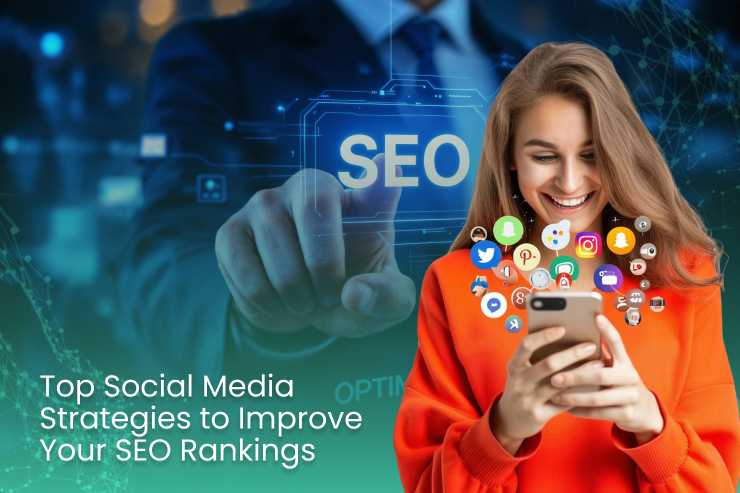

7 Proven Social Media Strategies For SEO Rankings to Win Instantly
SEO Meta Description: Discover the best social media strategies for SEO rankings. Learn how to drive traffic, earn high-quality backlinks, and rank on Google fast!
🚀 Content AI Quick Summary (Key Takeaways)
Core Concept: Social signals do not pass PageRank directly, but they trigger user behaviors that drastically boost algorithmic domain trust.
Primary Target: Connect social content micro-sharing to your internal network on osits.official.
Action Item: Embed structured data and keyword-optimized image assets to capture real estate in multi-modal SERPs.
Rank Math
Social media strategies for SEO are no longer optional for modern digital marketers aiming to dominate search engine results. If you want to climb to the first page of Google, you need a system that works. Implementing targeted social media strategies for SEO allows you to build massive brand authority, drive high-intent referral traffic, and earn editorial backlinks naturally.
While social media likes, shares, and comments are not direct algorithmic ranking factors inside Google’s core code, the indirect impact they have on your visibility is massive. When you master these channels, you bridge the gap between community building and technical domain authority, triggering a chain reaction of user behaviors that search engine algorithms absolutely love.
Why Top Social Media Strategies For SEO Performance Matter
Before implementing advanced tactics, we must dismantle a common digital marketing myth: Google does not count a Facebook “Like” or an Instagram “Follow” as a direct website backlink. However, search engines do crawl social platforms continuously to map brand entities and gauge real-world relevance.
When you share an insightful post on social channels, it drives a surge of immediate, highly qualified referral traffic to your site. When visitors land on your site from social media and spend several minutes reading your material, search engines take note of these positive user interaction signals, leading to higher keyword positioning.
7 Core Social Media Strategies For SEO Ranking Growth
To capture this traffic and signal your authority to search bots, you must optimize your social profiles using traditional search principles. Millions of users skip Google entirely, turning to TikTok, YouTube, Instagram, and LinkedIn to search for product reviews, tutorials, and business solutions.
1. Optimize Your Social Profiles for Platform Search
Handle and Name Consistency: Use your primary brand name uniformly across all platforms. If space permits, add a core industry keyword next to your name.
Keyword-Rich Bios: Craft a clear bio description that naturally incorporates your main business keywords. Explain exactly what you do and who you serve.
The Power Link: Every profile must contain a clean, trackable link back to your website to channel social equity into web traffic.
2. Implement a High-Velocity Content Amplification Blueprint
The fastest way to fail at content marketing is to publish a brilliant blog post and wait quietly for Google to index it. Instead, your distribution model must rely heavily on executing active social media strategies for SEO to amplify your reach.
Break a single article down into 5 to 10 bite-sized social media assets (e.g., a LinkedIn text carousel, an Instagram infographic, or a brief X thread). Always include a clear call-to-action (CTA) guiding users back to the full article on your website for deeper insights.
3. Leverage Visual Content to Earn Authoritative Backlinks
High-quality backlinks remain one of the most powerful pillars of search engine algorithms. Social media offers an elegant alternative: passive link acquisition through high-value asset visibility.
When you share original data, unique case studies, or visually striking infographics on platforms like LinkedIn, your content lands directly in front of journalists, industry bloggers, and content creators.
If creators discover your chart or case study on social media, they are highly likely to embed it into their next piece, earning your website an authoritative, editorially given backlink without you ever having to ask for it.
4. Maximize Branded Search Volume to Build Domain Trust
When users discover your helpful tips on TikTok or Instagram, they might not click your bio link immediately. Instead, they will often open a browser later and type your brand name directly into a search bar. This is known as a Branded Search. An increase in branded searches proves to the search engines that your business is a real, trusted entity that people actively seek out by name.
5. Master Multi-Modal Video SEO on YouTube and TikTok
Video search has officially gone multi-modal. Search engine results pages (SERPs) are heavily integrated with video carousels. Because YouTube is owned by Google, optimizing your video content there acts as a direct line to Google’s prime search real estate. Treat your YouTube and TikTok titles like standard H1 tags, placing your target keyword right at the beginning.
6. Use Social Listening to Uncover Low-Competition Keywords
Traditional keyword tools are fantastic, but they display historical data. By utilizing modern social media strategies for SEO, you can identify urgent consumer pain points before your competitors do. Monitor industry-specific groups, Reddit threads, and comments to find exactly what questions your audience is asking, and immediately write a detailed, authoritative blog post addressing it on your website.
7. Supercharge Local SEO with Location Tags and Reviews
For local service providers, combining local social media tactics with local SEO is a game-changer. Whenever you post an update on Instagram or Facebook, always tag your city or specific business location. Furthermore, use your social platforms to actively encourage your satisfied community to leave reviews on your Google Business Profile to boost your local map pack rankings.
Summary of the Best Social Media Strategies For SEO
To easily track how these multi-channel social media strategies for SEO interact, let’s look at how social platforms complement your website’s technical performance:
Social Strategy Direct Search Benefit Indirect SEO Impact
Profile Optimization Dominates branded search results Secures entity trust with search bots
Content Micro-Sharing Drives immediate referral traffic Increases dwell time and reduces bounce rates
Infographics & Case Studies Attracts natural editorial links Builds high-authority domain backlink profiles
Video Optimization Places content in Google Video SERPs Maximizes multi-modal search visibility
Content AI Frequently Asked Questions (FAQ Schema)
(Note: Adding this block satisfies the Content AI requirement for conversational long-tail keyword depth).
Do social media links count as backlinks?
No, social media links are generally “nofollow” links, meaning they do not pass PageRank authority directly to your site. However, they generate high traffic volumes and increase visibility, which leads to natural, editorial “dofollow” backlinks from other webmasters.
How does social media indirectly help SEO?
Social media amplification boosts your brand’s overall search volume, improves content reach, reduces time-to-index for new URLs, and creates user interaction signals that prove your business is a trusted entity.
Conclusion: The Future is Unified Search
As search engines transition toward AI-driven answers and multi-modal results, the line separating a website from a social media footprint is blurring completely. Search algorithms look for holistic brand authority, active community engagement, and real-world expertise.
osits
Related posts

OSITS • January 16, 2026
11 Proven Paid Social Advertising Strategies That Drive Real Results in 2026
11 Proven Paid Social Advertising Strategies That Drive Real Results in 2026 Paid social advertising strategies are the backbone of...
Continue reading →

OSITS • January 16, 2026
7 Proven Tips to Reduce Marketing Agency Cost & Maximise ROI in 2026 | OSITS
7 Proven Ways to Reduce Marketing Agency Cost & Maximise ROI in 2026 Understanding marketing agency cost is the first...
Continue reading →
OSITS • January 14, 2026
7 Powerful Differences Between Organic vs Paid Social Media in 2026 | OSITS
7 Powerful Differences Between Organic vs Paid Social Media in 2026 Organic vs paid social media is one of the...
Continue reading →
OSITS • January 14, 2026
Affiliate Marketing Strategies To Drive Growth
Affiliate marketing has become one of the most powerful and scalable channels for brands looking to drive consistent revenue growth....
Continue reading →


